The Quiet Character of Natural Materials
Category
Interior Design
Published On

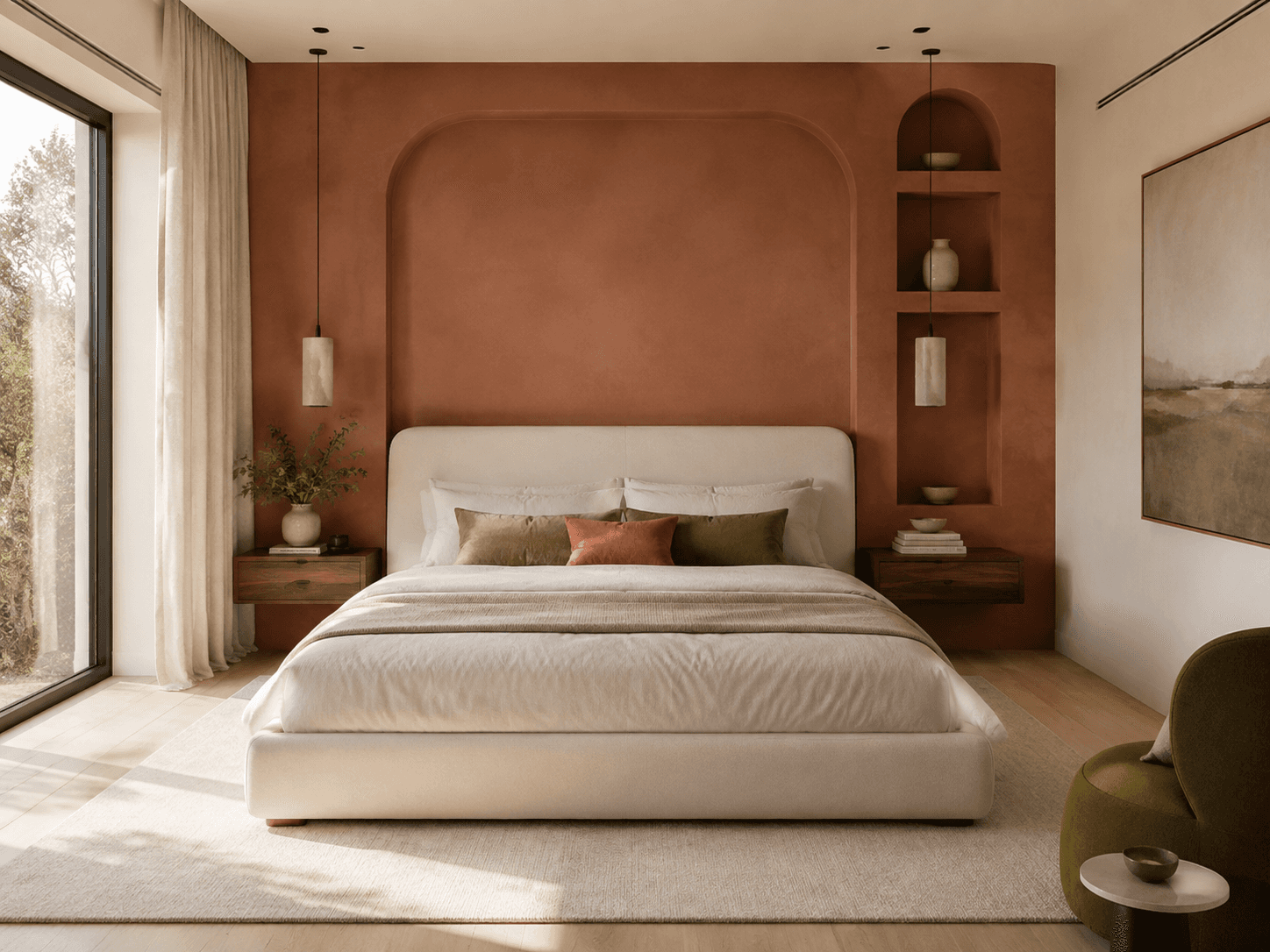
Timber grain, the variation in a stone surface, and the soft texture of woven fabric can give a room depth without demanding attention. A natural material palette is most interesting when it creates a relationship between surfaces, light, and touch, rather than presenting a collection of statement finishes.
Choose a small family of materials
Begin with one material that sets the tone. A warm timber might guide the choice of flooring, cabinetry, and furniture; a pale stone might establish a quieter foundation. Add supporting textures that feel related without matching exactly. Repeating a material in a few considered places can connect rooms while still allowing each space its own character.
Look at samples together
A finish viewed alone in a showroom can feel different beside the other materials in your home. Place samples together and look at them in daylight and under your intended lighting. Compare undertones, sheen, and texture. A polished surface and a matte surface can read very differently even when their colours are similar.
Make space for wear
Before choosing a surface, ask how that specific product is maintained and how it changes with use. Some people enjoy visible patina; others prefer a more consistent appearance. Neither preference is wrong. The material should suit the way the room will be used and the level of care you are comfortable providing.
A considered interior does not need every surface to be precious. Give everyday materials good proportions, thoughtful junctions, and room to be appreciated.


Read More Blogs


Have a project in mind? We'd love to hear about it.
Let's Build Something Together
