Letting Daylight Shape the Interior
Category
Design Principles
Published On

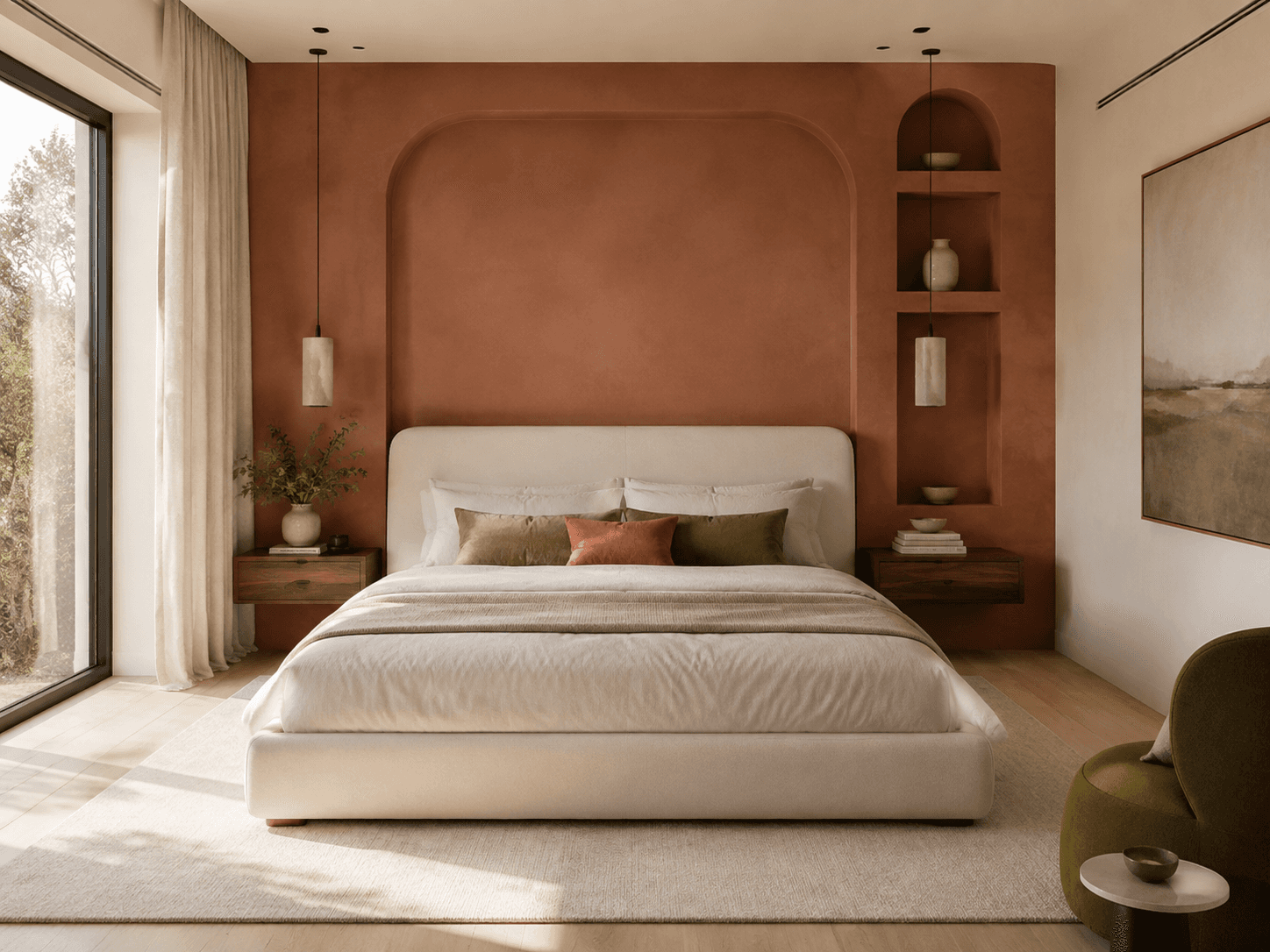
Daylight changes a room throughout the day. It can draw attention to a textured wall, turn a window seat into a favourite corner, or soften the transition between one space and the next. Treating light as part of the composition helps create interiors that feel connected to their setting.
Observe before opening up
Begin by looking at where light enters and how it moves across the site. Neighbouring buildings, trees, and the direction of a view all influence the possibilities. Think about when a room is used as well as how bright it appears in a single photograph. A breakfast space and an evening retreat may call for different qualities of light.
Balance openness with comfort
A larger window is not automatically the right answer. Privacy, glare, and the feeling of enclosure matter too. Recessed openings, screens, and curtains can become part of the architectural expression. The aim is to make the view and the light enjoyable from the places where people actually sit, work, and gather.
Design the surfaces that receive light
Light becomes visible through the materials it touches. A wall beside a window, a deep sill, or a timber ceiling can become a quiet focal point. Consider the orientation of furniture and the finish of nearby surfaces so that the room feels composed across changing conditions.
A successful daylight strategy leaves room for contrast. Bright gathering spaces and more sheltered corners can coexist, giving a home a varied rhythm rather than the same atmosphere everywhere.


Read More Blogs


Have a project in mind? We'd love to hear about it.
Let's Build Something Together
